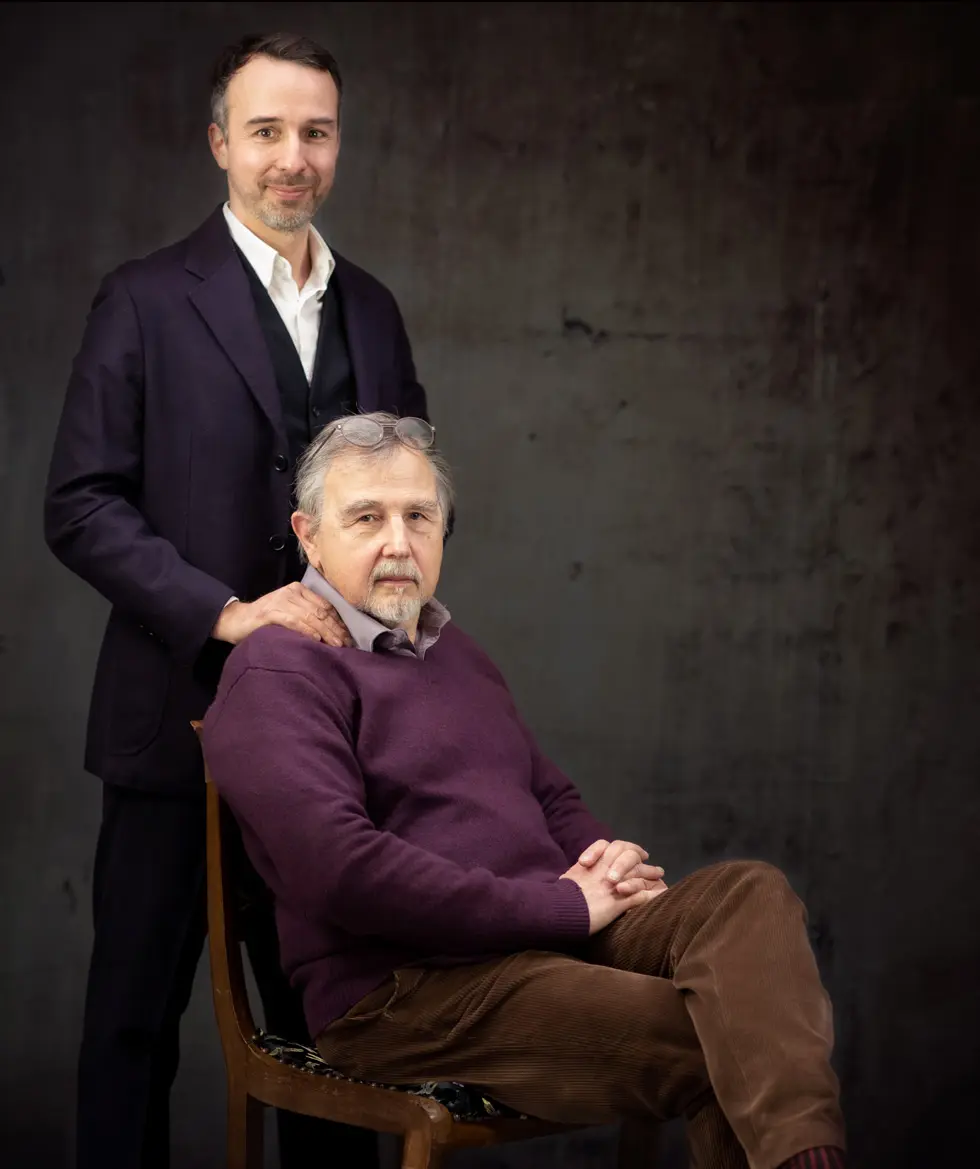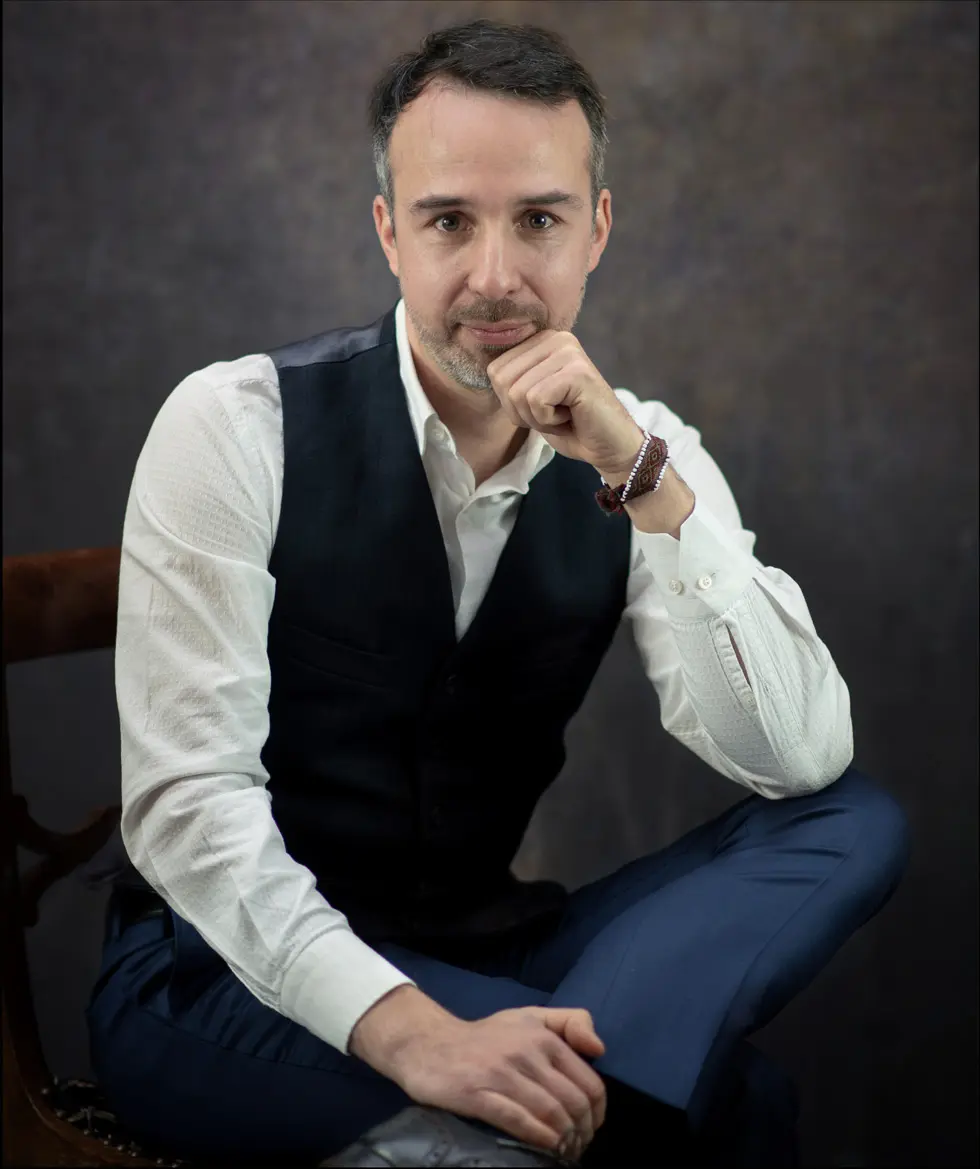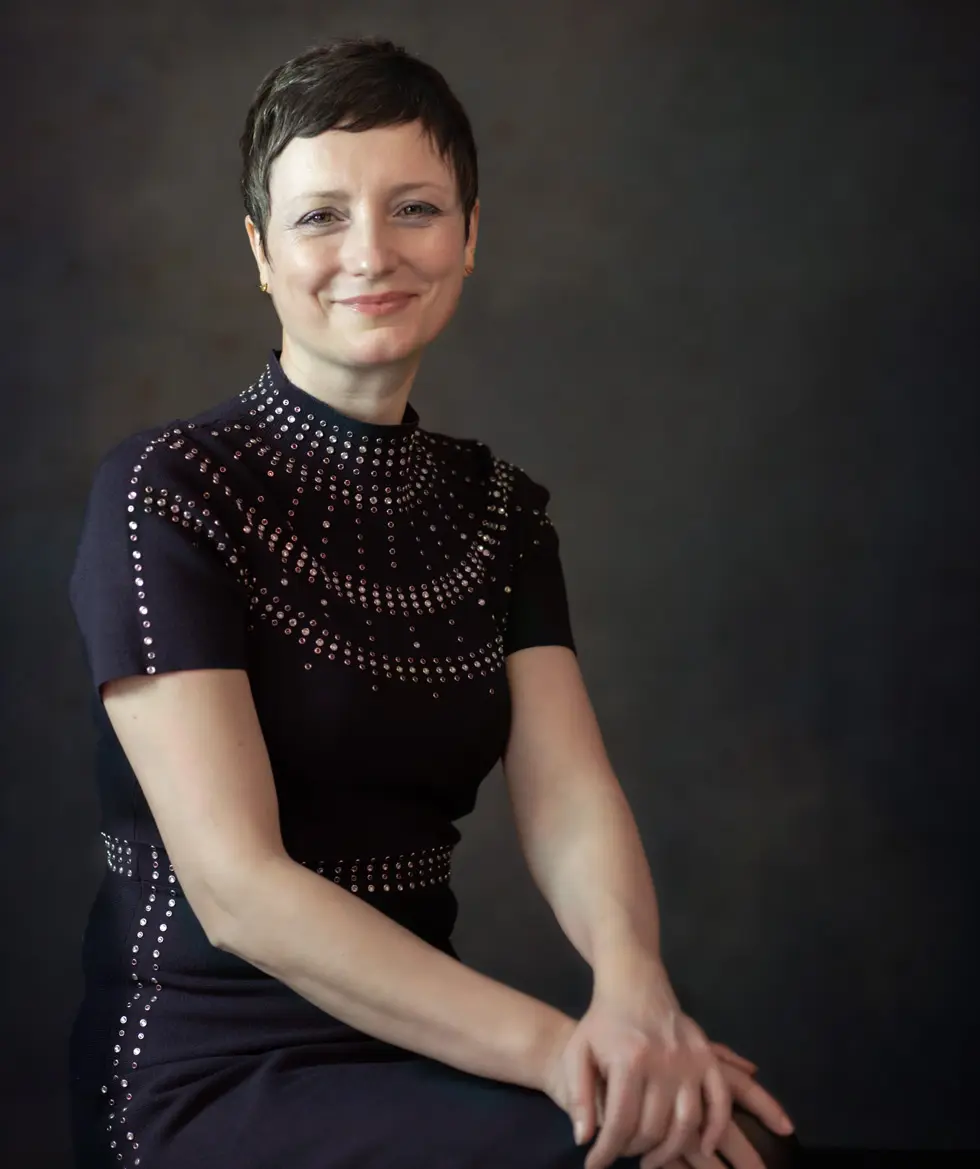


His father believed he’d become engineer. Serge Volevatch, himself, dreamed of going to university for more freedom. This was in 1960s Paris, a time when going against your parents’ wishes wasn’t so easy. Boldly, he took the plunge, enrolled for a maths degree, and did numerous part-time jobs to pay for his studies.
This went on until the day when one of his teachers told him: "Life is not just about maths...". This was the break Serge Volevatch needed. He was curious, a jack-of-all-trades, a handyman who already knew how to sketch ideas, work with metal, and handle a lathe. He therefore left university to work for a firm of boilermakers as an industrial designer. However, clocking in every morning wasn’t for him. He returned to university, this time at the law and economics faculty and then began working first for the Institute of Business Administration followed by the Institute of Urban Planning. He wanted to "do something", to pursue his dream projects, and to see his ideas come to life. In the 1970s, he worked on designs for new towns. However, this wasn’t creative enough for his taste. He wanted more flexibility, to be able to choose, express himself, and make decisions. Following a chance meeting, he turned to plumbing, got his CAP diploma in six months and set himself up in Rue de Lourmel in Paris.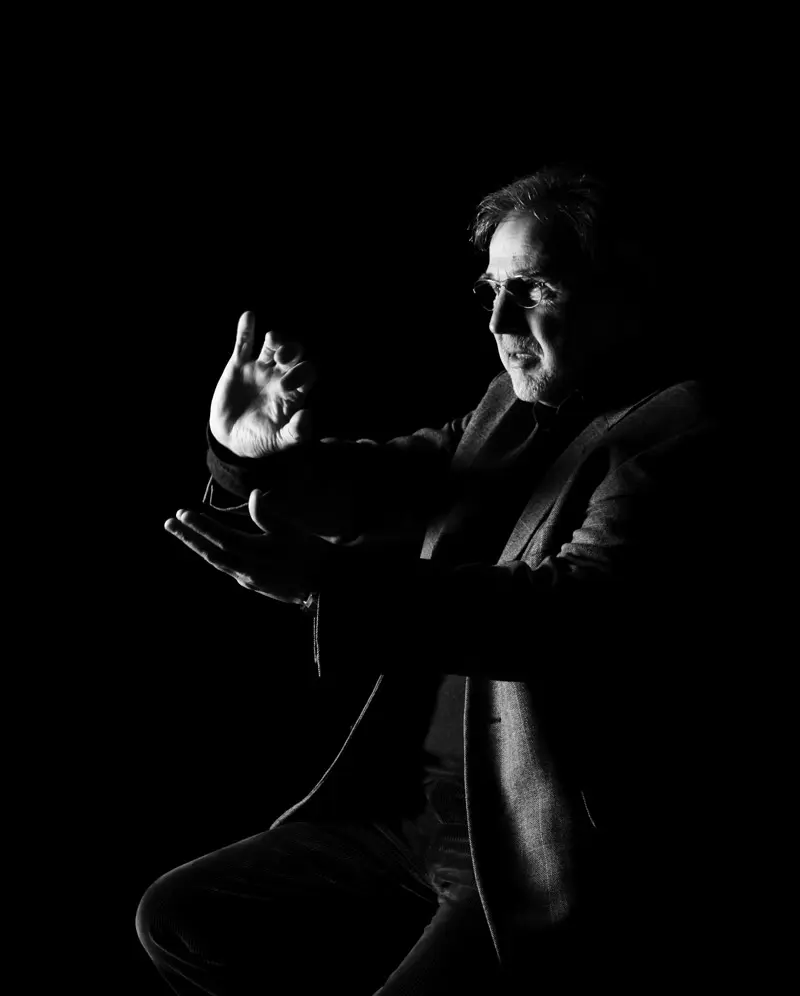
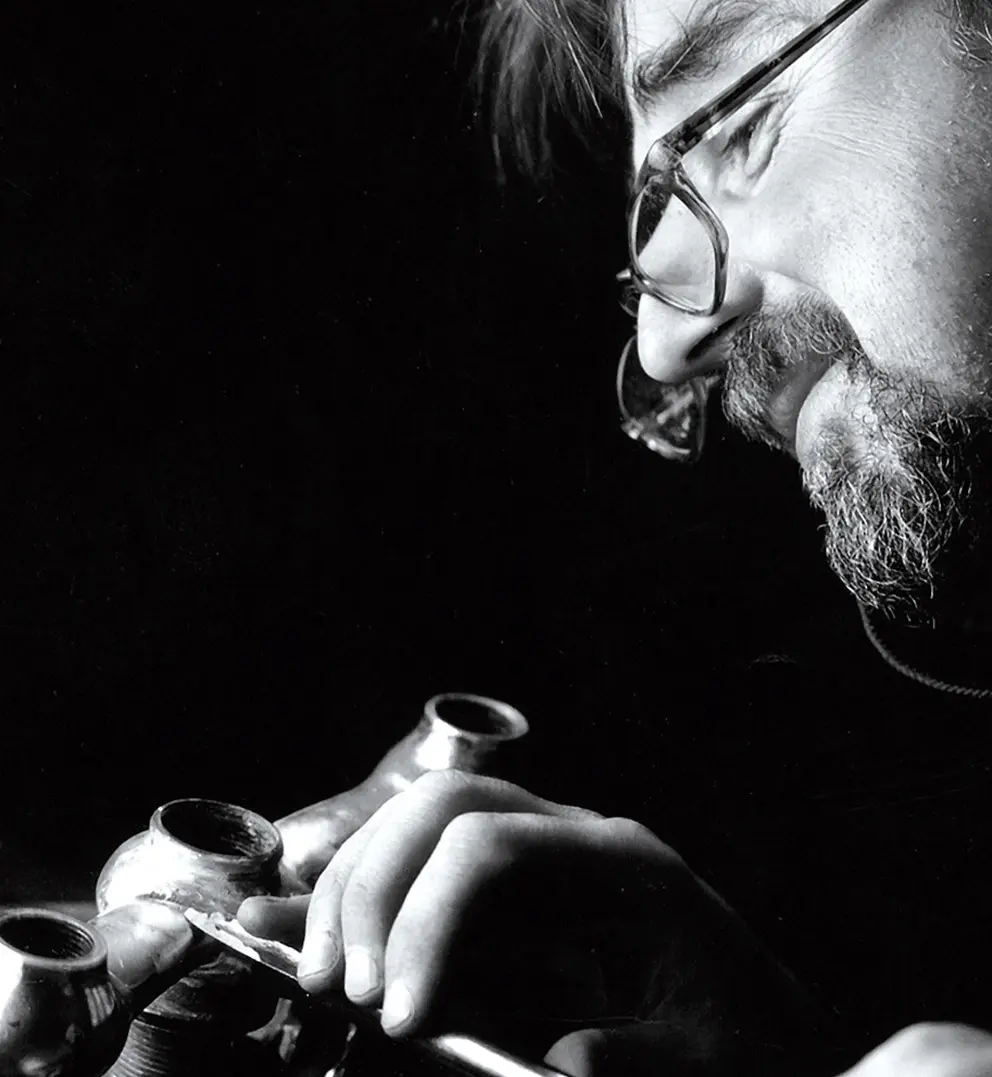
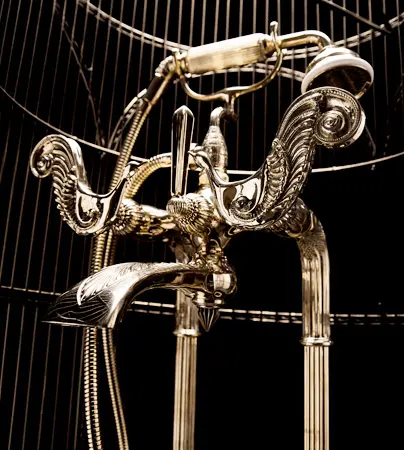
On the sidelines of his work as a plumber, Serge Volevatch began to hunt out old bathtubs at flea markets in the Parisian suburbs of Saint-Ouen, Vanves and Montreuil. He then enjoyed the restoration process to give them a new lease of life, adopting concepts of recycling and sustainability before their time. His favorite object was the thermostatic mixer. “I either found some to replace broken ones, or I made them myself so the new part would fit perfectly with the existing bathtub”, he explained.
Gradually, this meticulous and high precision work inspired him to create his own bathroom fittings. By opening a workshop, again in Rue de Lourmel, which he named ‘La Baignoire délirante’ (The Delirious Bath) he gave up on traditional plumbing and devoted himself solely to renovating classic objects and creating new ones. Word of mouth did the rest. Numerous Parisian decorators turned to him as well as the dancer and choreographer Rudolf Nureyev who ordered a copper bathtub with fully exposed fittings and piping.
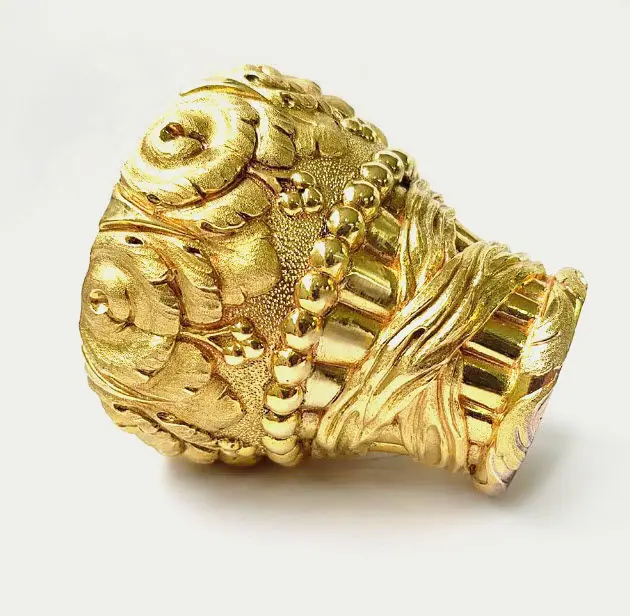
Serge Volevatch aimed to push the aesthetic and artistic limits. His idea was to satisfy customers who appreciated rarity. A dedicated ‘metalsmith for the bathroom’, he stressed that “Luxury is in the detail”. This is a principle which Volevatch has followed, applied, and made its own since 1975, from the first workshop in Rue Lourmel to the current showroom in Rue Bonaparte, in Saint-Germain-des-Prés, via the boutique which opened in 1994 on Rue du Cherche-Midi.